Sustainability
Philadelphia makes sustainable meetings a priority.
Conventions can have a major footprint on their host city. That’s why Philadelphia and its partners are making a commitment to sustainability. Our team can help planners integrate sustainability into their meetings and events.
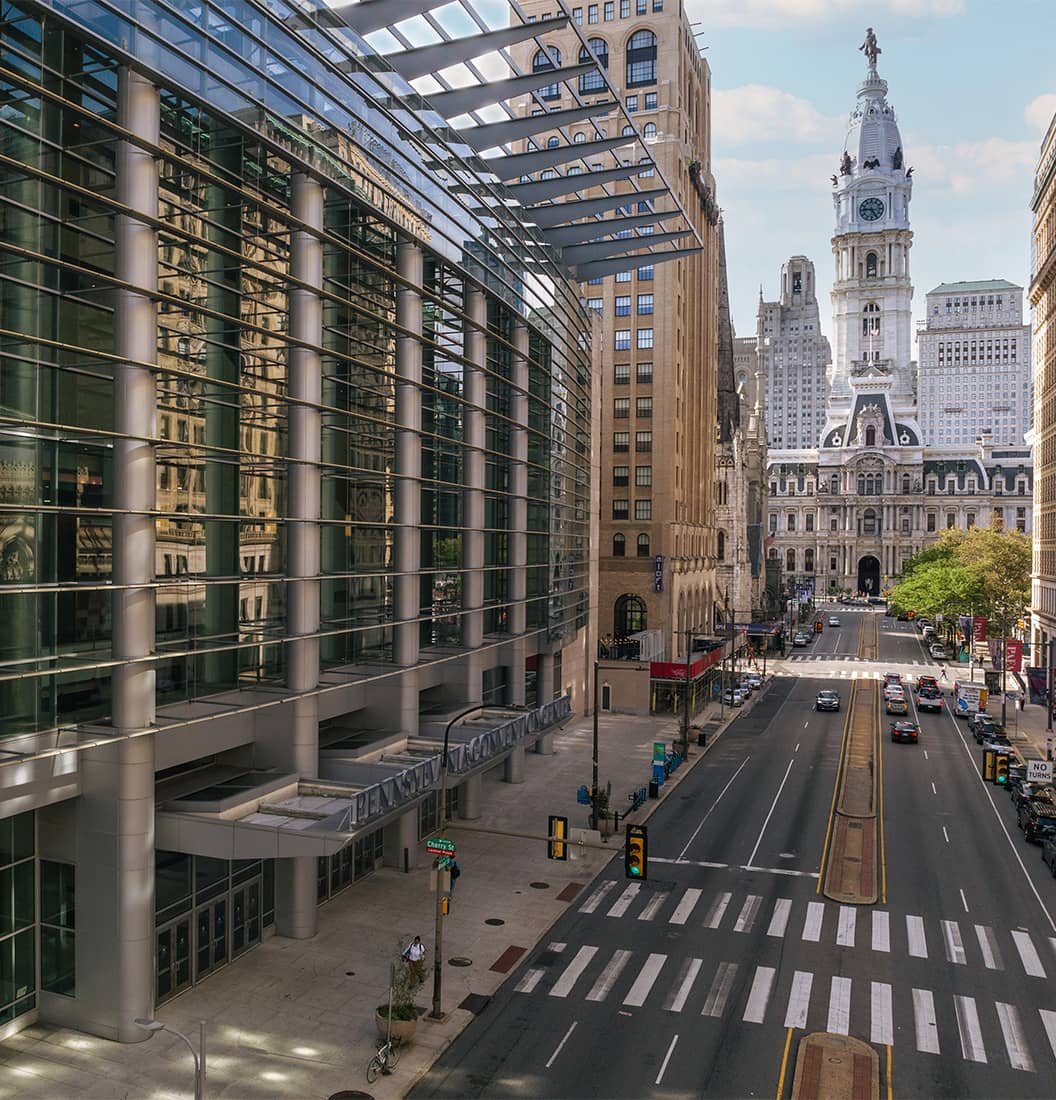
Pennsylvania Convention Center
The Pennsylvania Convention Center is one of the leaders in convention sustainability, having earned Gold Level Certification for the Events and Industry Council, LEED Gold status, and GBAC STAR accreditation. Even the art that decorates the Center is sustainable — with pieces made from recycled air ducts, bicycle tires, and phone books. Additional sustainability practices include:
- Energy saving reflective roof
- Energy efficient LED lighting
- Innovative cooling systems
- Reduced water use
- Safe cleaning products
- Expanded recycling initiatives
- Composting
- Streamlined management of HVAC, lighting, power, elevators and escalators
Hotel Sustainability
The majority of hotels for convention attendees are within walking distance to the Pennsylvania Convention Center, greatly reducing the need for alternative transportation options and avoiding a significant number of emissions. Most hotels have comprehensive carbon reduction plans and have taken steps to reduce their carbon footprint in the last several years. They achieve these goals through a variety of programs including a linen reuse program, sourcing certified sustainable products, water conservation systems, recycling, and eliminating single use plastics. Several hotels also feature green rooftops.
Transportation
Philadelphia International Airport (PHL) is committed to operating its facilities in an environmentally responsible manner. The airport focuses on the following initiatives: Water quality, air quality, noise quality and conservation. In a goal to cut greenhouse emissions and work more efficiently, PHL recently celebrated Airport Carbon Accreditation Level 3, one of only 27 airports nationwide to hold that status.
For more than 15 years, Philadelphia’s public transportation service, SEPTA, has built on its longstanding and award-winning “SEP-TAINABLE,” sustainability program. Since the inception of the program, 15% of SEPTA’s electricity comes from clean, renewable energy and nearly all buses are hybrid-electric vehicles, with the last traditional diesel-only bus retired in 2024. The more energy efficient buses have reduced emissions by up to 40%. SEPTA has also entered into solar power purchase agreements and pushed for a solar-powered train signal system.
Travelers looking options in town can walk or rent a bike from one of over 140 Indego bike share stations around the city and pedal through neighborhoods or along the Schuylkill River Trail.
City of Philadelphia
The City of Philadelphia has a Municipal Energy Master Plan which sets four goals for City government buildings and operations:
- Reduce greenhouse gas emissions from the City’s built environment by 50 percent by 2030.
- Reduce the City’s energy use by 20 percent by 2030.
- Generate or purchase 100 percent of all electricity for the City’s built environment from renewable resources by 2030.
- Maintain or reduce the City’s built environment cost of energy.
An executive order directs all City agencies to ensure all new municipal buildings and major renovation projects achieve a LEED Gold certification beginning in July 2023. Since the order was enacted, eight buildings have achieved LEED certification.